
Industrial energy that survives the grid it sits on.
Gas infrastructure, industrial power, solar and storage, and the efficiency work that reduces what you need in the first place — designed, supplied, installed and maintained.
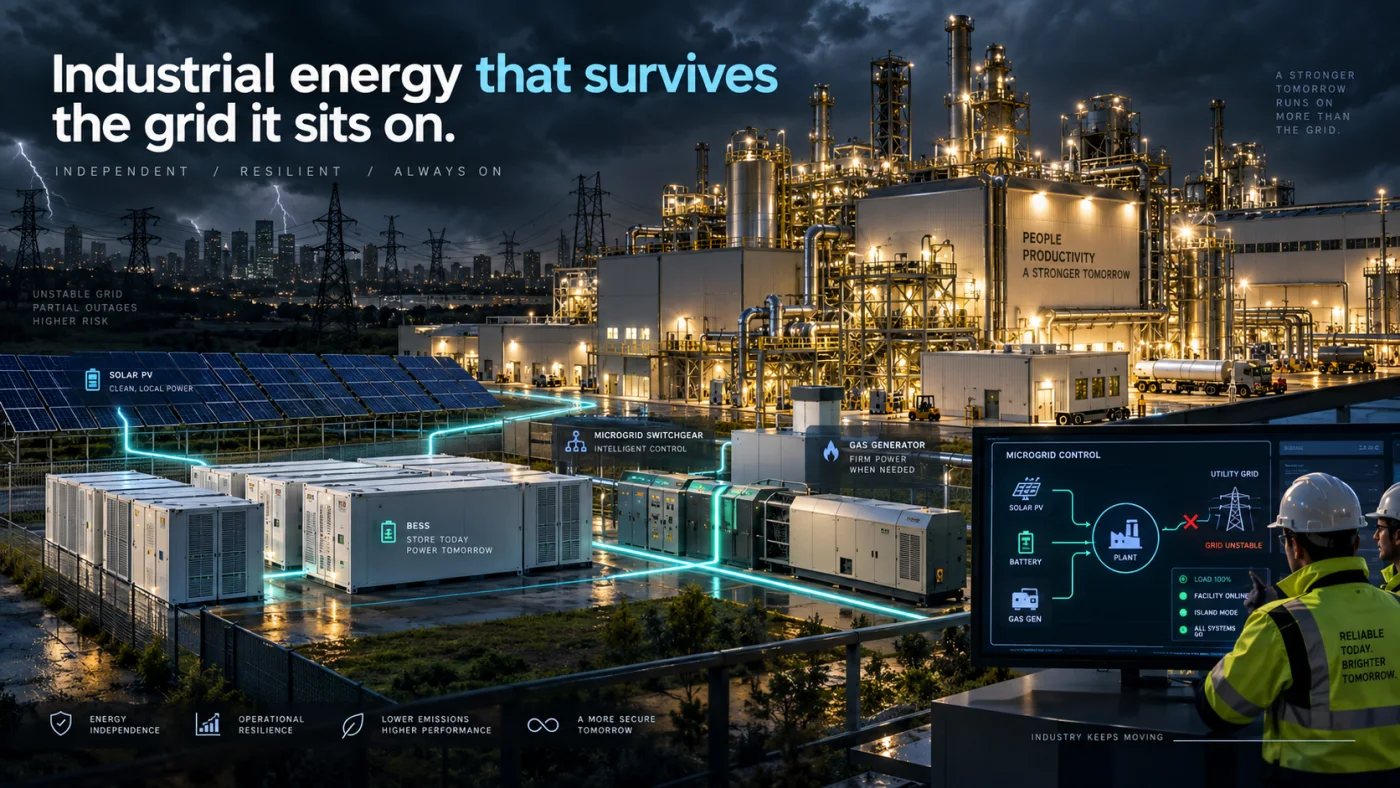
Gas, power, renewables — usually combined.
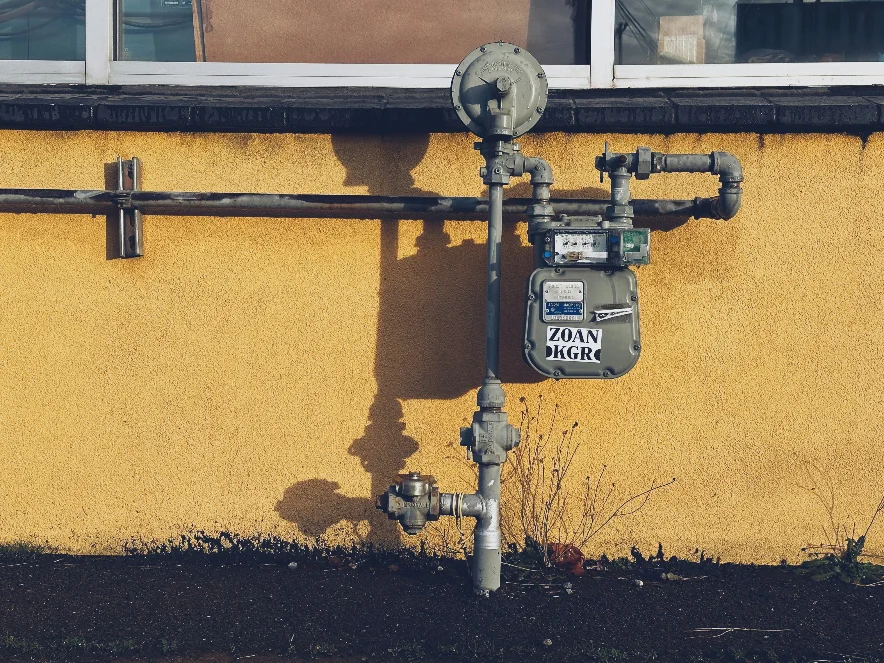
Gas infrastructure
Distribution, pressure control and metering for industrial gas users and network operators.
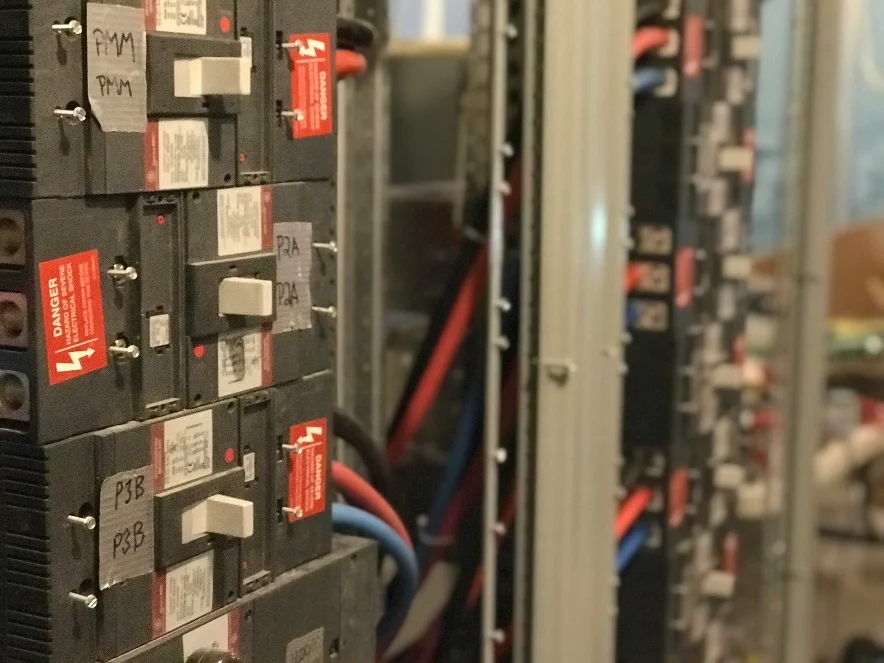
Industrial power
Distribution, backup generation and power quality work for plants that cannot tolerate interruption.

Renewables and storage
Commercial and industrial solar, battery storage and hybrid systems integrated with existing supply.
A rough shape for a hybrid solar and storage system.
Set your load and how much of it you want to move off diesel. These are order-of-magnitude figures for a first conversation, not a design.
Assumes 4.5 peak sun hours, 85% round-trip battery efficiency and 0.28 L of diesel per kWh displaced. Real design depends on your load profile, roof or land area, shading, and how much redundancy you need.
Start with an energy auditMeasure first. Most sites are paying for load they do not need.
Loggers on incoming supply and major loads for a representative period.
Demand shape, peaks, base load and how much of it is genuinely productive.
Gas, solar, storage, distribution upgrades or efficiency work, costed and compared.
Phasing, procurement, installation windows and a measurement plan to prove the saving.
Sourced through the same technical channels as the rest of the business.
Energy equipment comes with the same verification, documentation and after-sales cover as our industrial supply. Nothing is left as a box on a slab.
How our procurement works →